

In partnership with

Last week was the 2026 New York International Auto Show, and it had several interesting debuts despite the decline of both the auto show and the United States of America. Despite President Trump’s best efforts, EVs are still advancing (and perhaps Trump is doing more for EVs than he even realizes with the war with Iran).
Kia debuted the U.S.-spec of the EV3. Hyundai dropped a body-on-frame concept that is likely EREV-powered. Subaru showed off its version of the Toyota Highlander EV. In a lot of ways, this makes sense. The average price of electricity in the United States right now is 14.2 cents per kWh. The residential average is 17.5 cents. Both WTI and Brent crudes are over $100 per barrel. Buying a gasoline-only powered vehicle today is far less compelling than it was a year ago, and we still had the EV tax incentive a year ago.
Hyundai, a powerhouse in vertical integration, is selling more Ioniq 5 EVs now than it was when we still had the tax incentive. The aggressive pricing certainly helps, but that aggressive pricing is possible because of Hyundai’s dominance in its supply chain.
While stuffing a Hemi in everything is certainly a strategy, it’s interesting to point out that Toyota and Subaru have more EVs on sale in the United States than Ford and Stellantis. Sure, cutting gas taxes or cutting petroleum with more corn-based ethanol might lower the prices a bit, but neither is the long-term solution to energy independence that we desperately need.
While I believe that Trump’s tariffs are a net negative on the industry and the overall economy, it’s possible that they accelerated some automakers’ timelines for building and deploying in the United States.
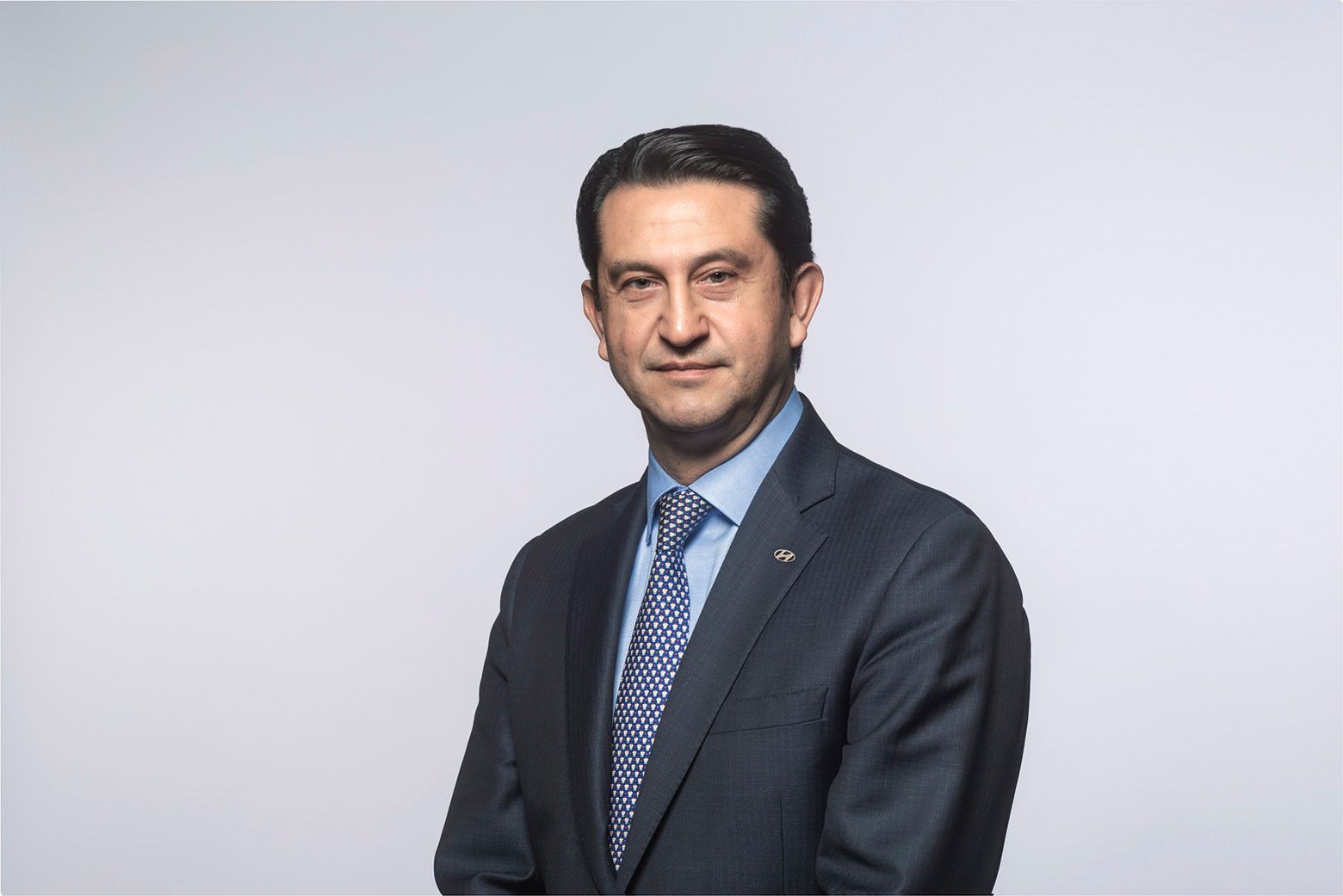
During José Muñoz’s presentation in New York, he talked about how soon even more vehicles will be assembled in the United States, and they’ll be assembled using Hyundai Steel made in the United States. There have been several times during my career covering the industry where I’ve witnessed what I call “real power.” Hyundai is building real power quickly — and still mostly quietly — here and abroad.
There are great new EVs out there that aren’t Tesla. I see more and more new Tesla models every day, and I guess that’s good for them. Objectively, what makes Tesla strong doesn’t really exist anymore (except its route-planning), so you don’t have to feel like you have to get a Tesla to get into the EV game.
The used market is also quite insane right now. My friend — and sometimes boss — Jonathan Gitlin has been documenting cheap EVs over on Ars Technica, and there are some you have to see to believe. And if you live in Colorado, you can get a brand-new Nissan Leaf for under $20,000. Folks, these cars are good.
We’re settling into the new normal when it comes to EVs, and the future still appears bright in that regard. Depending on how the war shakes out and how long it lasts, energy prices will start to play a bigger role in new car purchases.
The Future of Tech. One Daily News Briefing.

AI is moving faster than any other technology cycle in history. New models. New tools. New claims. New noise.
Most people feel like they’re behind. But the people that don’t, aren’t smarter. They’re just better informed.
Forward Future is a daily news briefing for people who want clarity, not hype. In one concise newsletter each day, you’ll get the most important AI and tech developments, learn why they matter, and what they signal about what’s coming next.
We cover real product launches, model updates, policy shifts, and industry moves shaping how AI actually gets built, adopted, and regulated. Written for operators, builders, leaders, and anyone who wants to sound sharp when AI comes up in the meeting.
It takes about five minutes to read, but the edge lasts all day.
For a personal note: The past few months have been incredibly stressful, and that’s why the cadence of this newsletter has been less than many of you expect. Going forward, I intend to resume a normal posting schedule with more analysis and news. I thank you for your patience during these trying times, and I look forward to things returning to some sort of normal soon.